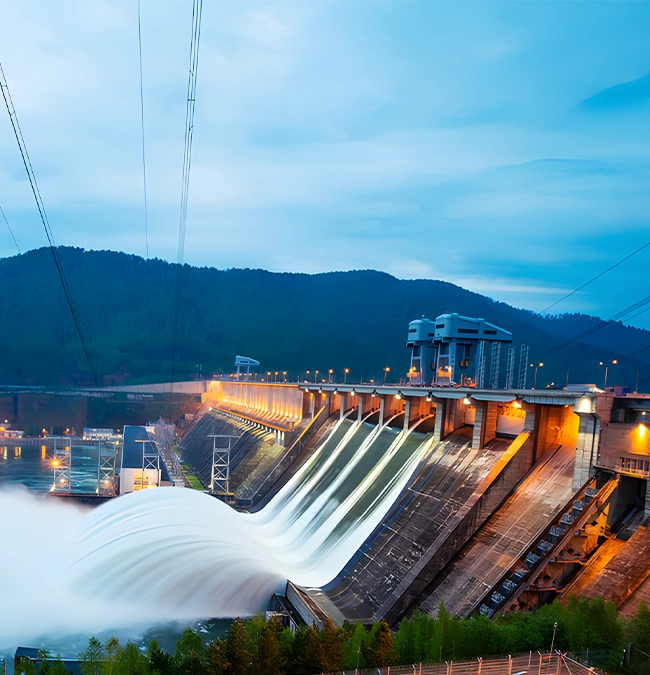


Hydro energy, or hydroelectric power, is a dependable and renewable way to generate electricity using the natural flow or fall of water.
Explore Our Service
It is one of the oldest and most efficient clean energy sources. By turning water’s movement and height (kinetic and potential energy) into electricity through dams, turbines, and generators, hydro power offers a sustainable alternative to fossil fuels, helping reduce carbon emissions and protect the environment.
Hydro energy is widely available in areas with rivers, lakes, or reservoirs, providing stable, cost-effective, and scalable electricity. Whether you’re exploring green energy for your community or just curious about sustainable technology, understanding hydro energy can help you see how it contributes to a cleaner, low-carbon future.
Uses large reservoirs to store water and generate electricity on demand. Ideal for steady power in mountainous or river-rich areas.
Diverts part of a river’s flow through turbines without building large dams. Minimizes environmental impact and works well on smaller rivers with consistent flow.
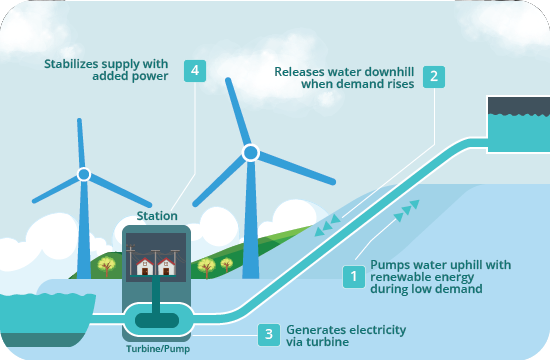
Functions like a giant battery. Excess electricity pumps water uphill to a reservoir during low demand. When needed, the water is released to generate power, supporting grid stability.
Uses Ocean energy. Tidal barrages capture rising and falling tides, while wave converters use buoys or oscillating devices to harness coastal energy.
Small-scale setups for remote or rural areas. Provide localized power on streams without major infrastructure.
Grid-connected hydroelectricity powers home lighting, appliances, and charging—often paired with solar for reliability. In cities, it energizes streetlights, offices, and electric subways for stable urban power.
Provides consistent power to manufacturing plants, data centers, and server farms, minimizing downtime for efficient operations.
Micro-hydro systems supply electricity to off-grid schools, clinics, homes, irrigation pumps, and agriculture. Also offers quick backup for hospitals and essential services.
The future of hydro energy shines bright, fueled by technological progress and climate imperatives. By 2030, upgrades to existing plants—adding turbines or improving efficiency—could boost global capacity without new dams, while pumped storage expands to store surplus renewable energy from solar and wind. Emerging marine hydro, like tidal stream generators, promises untapped ocean potential, with projects scaling in coastal nations.
Digital tools, including AI for predictive maintenance and real-time flow optimization, will enhance resilience against climate variability. Governments are prioritizing sustainable hydro through policies like incentives for low-impact designs and international collaborations on transboundary rivers.
Challenges like environmental concerns are being addressed with eco-friendly innovations, such as modular, removable dams. As the world aims for net-zero by 2050, hydro's role in balancing intermittent renewables will grow, delivering a cleaner, more equitable energy system.
Contact us to explore how our hydro energy solutions can meet your needs.
Get In Touch