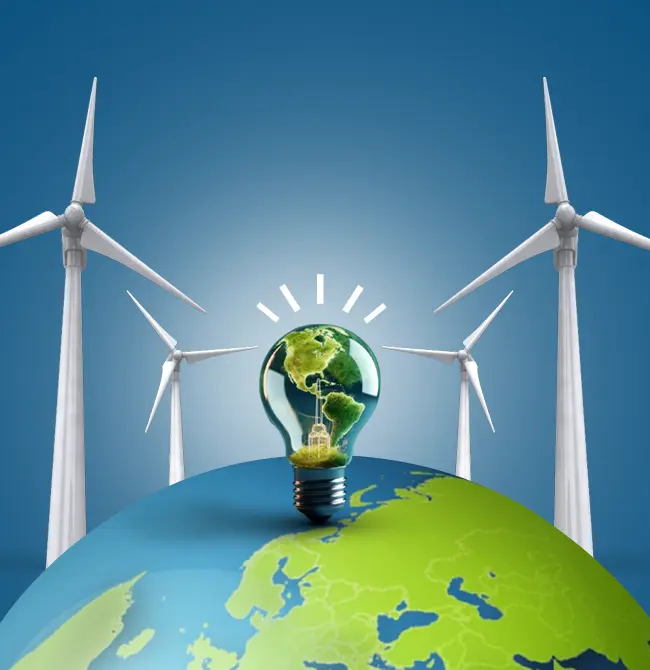


Wind energy is a clean and renewable source of power that comes from the natural movement of air across the Earth. It is one of the most sustainable ways to produce electricity.
Explore Our Service
By using turbines, wind’s kinetic energy is turned into usable power, helping reduce our dependence on fossil fuels and cutting harmful greenhouse gas emissions.
This eco-friendly solution works for both large wind farms and smaller home systems. Wind energy is widely available, cost-effective in the long run, and an important step toward green energy. Whether you’re thinking about renewable power for your home or just curious about sustainable technology, learning the basics of wind energy can help you make smarter choices for a cleaner future.
Onshore wind farms are the most common. Built on land in windy areas such as plains or hills, they use rows of turbines to feed electricity directly into local power grids. They are also the most cost-effective option.
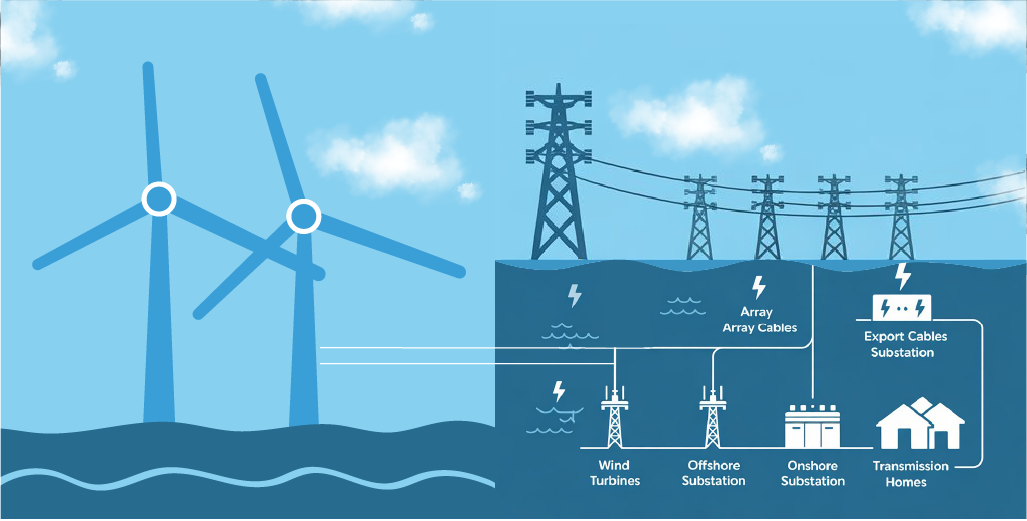
Offshore wind farms are built in oceans or large lakes, where winds are usually stronger and more consistent. This makes them very efficient, but installation and maintenance are more expensive and technically challenging.
Small-scale or distributed wind systems are designed for homes, farms, or small businesses. These compact turbines generate power on-site, helping reduce electricity bills and increasing energy independence.
Emerging technologies include floating offshore turbines for deep waters and vertical-axis turbines, which spin like eggbeaters and perform well in urban areas with irregular wind patterns.
Small turbines or grid-connected wind systems power home lighting, heating, and device charging, often paired with solar for hybrid setups that lower utility bills. Wind energy also provides backup power for hospitals, communication systems, and essential services in communities during emergencies, enhancing energy security by reducing reliance on imported fuels.
Large wind farms supply electricity to national grids, powering cities, public transport like electric trains, and industries such as manufacturing, ensuring stable and sustainable energy for urban and industrial needs.
Farmers use wind power for irrigation pumps, machinery, and agricultural needs, boosting efficiency and cutting fuel costs. In recreation and off-grid locations like campsites and cabins, portable wind systems deliver clean, reliable power.
Looking forward, wind energy is poised for explosive growth, driven by technological advancements and global sustainability goals. By 2025, innovations like larger, more efficient turbines—some with blades longer than football fields—are boosting output while lowering costs. Offshore wind, especially floating platforms, is expanding into new frontiers, with projections estimating it could meet a significant portion of global electricity needs by 2050.
Integration with smart grids, AI for predictive maintenance, and hybrid systems with solar and storage will enhance reliability. Governments worldwide are investing heavily, with policies like subsidies and carbon pricing accelerating adoption. Challenges like supply chain issues are being tackled through recycled materials and local manufacturing. As climate urgency mounts, wind energy's role in achieving net-zero emissions will solidify, promising a cleaner, more resilient energy landscape for generations to come.
Contact us to explore how our hydro energy solutions can meet your needs.
Get In Touch